



available on the
Google Play

Discover the best return on investment in real estate with Nyota Njema. Compare property returns to other assets and start building wealth today.
Understanding the return on investment in real estate is key to building long-term wealth. Many people wonder how buying property compares to other ways of investing money, like buying stocks. This guide from Nyota Njema will explain everything in simple terms.
We will look at how you make money from property, how it stacks up against other investments, and how you can get started, even as a beginner. Thinking about real estate investing for beginners is a great first step toward a secure financial future.

When you invest in real estate, you can earn money in a few different ways. It’s not just about selling the property for more than you paid. Knowing these different income streams is important to see the full picture of your return on investment in real estate. You can earn money through rent and also from the property’s value going up over time. Let’s explore these ideas.
In Kenya, the return on investment in real estate comes from two main sources: rental income and capital growth. Rental income is the money you get from tenants each month. Capital growth is the increase in the property’s value over a period. A good real estate investment in Kenya will give you both. For example, the real estate market in Kenya, especially in areas like Nairobi, has shown strong growth, making it a great place to invest. Nyota Njema helps many people analyze real estate investments in Kenya and find properties with high potential returns.
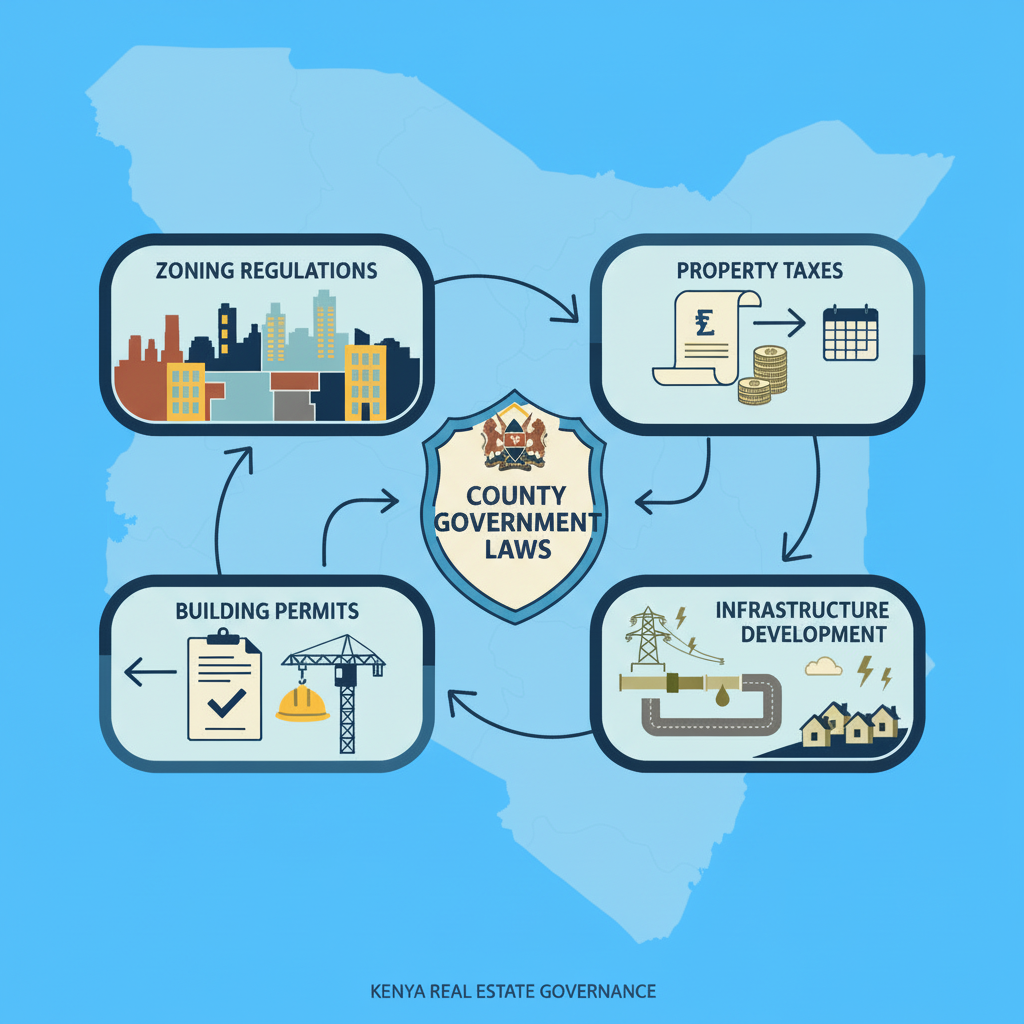
How Location Pins Benefit the Real Estate Market
Rental yield is a way to measure the return you get from your rental income. To figure out your gross rental yield formula, you take the total rent you get in one year and divide it by the property’s total value. Then, you multiply that number by 100 to get a percentage.
For example, if your property is worth Ksh 5,000,000 and you earn Ksh 500,000 in rent per year, your gross rental yield is 10%. Understanding what is rental yield is crucial for comparing different properties. A good rental yield can provide a steady monthly income.
There’s also net rental yield. To get this, you subtract your expenses (like repairs and taxes) from your annual rent before you divide by the property value. A net rental yield calculator can make this easy. This gives you a more accurate look at your profit. The debate of rental yield vs ROI is common, but rental yield is just one part of your total return on investment in real estate.
Capital growth is the other big part of your return. It’s how much your property’s price has gone up since you bought it. To calculate it, you take the current market value of your property and subtract the original price you paid.
For instance, if you bought a plot for Ksh 2,000,000 and it’s now worth Ksh 3,000,000, your capital growth is Ksh 1,000,000. This is often where real estate shines as a wealth builder. The best places to invest in real estate in Kenya are those with high growth potential.
To get your total return on investment in real estate, you need to combine both rental income and capital growth. You add your net rental income for the year to your capital growth for the year. Then, you divide this total by your initial investment cost. This shows you the complete power of your investment. It helps you compare your property’s performance against other investments accurately.
Leverage is a powerful tool in real estate. It means using borrowed money, like a bank loan or financing from a Sacco like Kikwetusacco.com, to buy a property. This lets you buy a more expensive asset than you could with just your own cash. When the property value goes up, you get all the profit, not just the profit on your own money. The using leverage geared internal rate of return (IRR) is a metric that shows the benefit of this.
The levered IRR calculates your return based on the actual cash you invested, while the unlevered IRR assumes you paid for the whole property in cash. Because of leverage, the levered IRR vs unlevered IRR which is higher debate is usually settled: levered IRR is often much higher, showing the true power of your personal investment. You can find a using leverage geared internal rate of return irr calculator online to see this for yourself.

When you think about where to invest your money, you have options like stocks, gold, or just saving it in a bank. Let’s compare real estate vs gold vs stocks. Stocks can offer high returns, but they can also be very risky and their value can change quickly. Gold is often seen as a safe investment, but it doesn’t produce any income.
Real estate offers a unique mix. It can provide a steady income through rent and long-term growth in value. Unlike stocks, you can see and touch your investment. This physical nature gives many investors peace of mind. Historically, real estate has proven to be a reliable wealth builder for many families.
Property is a powerful investment for several reasons. First, it is a tangible asset. You own a piece of land or a building. Second, it allows you to use leverage, which can greatly increase your return on investment in real estate. Third, property values tend to rise over time, acting as a great hedge against inflation.
Moreover, investing in real estate helps build communities. When you build rental property, you provide homes for people. At Nyota Njema, we see property as more than just an asset; it’s a foundation for a family’s future. Our Legacy Reward program is designed to help families create wealth that can be passed down through generations.

Like any investment, real estate has risks. The risks to consider in real estate investment in Kenya include things like finding reliable tenants or unexpected repair costs. There is also liquidity risk, which means it can take time to sell a property if you need cash quickly. It’s not as simple as selling a stock.
So, is real estate high-risk or low-risk? It’s generally considered lower risk than stocks but higher risk than a savings account. By doing good research and working with a trusted partner like Nyota Njema, you can manage these risks. We help our clients find the right properties and navigate the real estate market in Kenya.
If you are looking for the best investment in Kenya in 2026, real estate should be at the top of your list.
The best investment in Kenya 2025 is often found in real estate. Right now, emerging trends in real estate in Kenya show strong movement toward areas outside the main cities. Land there is more affordable, and people are looking for space as towns grow bigger.
The future of real estate in Kenya looks bright, especially as more roads and services come to these places. If you want to know more, looking at the Kenya real estate market report and reading real estate news Kenya will help you stay updated.
Nanyuki, Naivasha, and the Kenyan coast stand out as top places to get high returns from real estate. Many investors see these as the best places to invest in real estate in Kenya. As these areas get more popular, land prices go up, and rental yields get better.
Apart from these, places like Embu, Syokimau, Diani, Kikuyu Nachu, Malindi, Kikuyu Thigio, Kitengela, and Ushirika Gardens next to Tatu City are also growing fast. These locations offer many choices, from small plots like 50×100 to bigger parcels like acre lots.
Nyota Njema helps you reach your investment goals with different products to match your needs and life stage. If you like group savings, our Chamas product is perfect for working together with friends. Young professionals can start with U-Genz, which is designed for people beginning their property journey. Couples planning for the future can get started with La-Ndoa, helping build a strong money base for married life.
Our Diaspora Elite program allows Kenyans living abroad to invest in Kenya from anywhere in the world, making Nyota Njema a trusted partner for Kenyans in the diaspora. We also offer Legacy Reward for families looking to build wealth over generations. No matter your stage, we help you invest wisely for the highest return on investment in real estate.

To analyze a property, you need to look at its location, potential for growth, and rental income possibilities. Check the local infrastructure, like roads and schools. Look at the Kenya real estate market report for trends. Don’t be afraid to ask questions.
A key step is to find the right real estate company in Kenya. At Nyota Njema, we provide all the information you need. Our team helps you understand everything from the legal process to financing options. We are one of the top real estate companies in Kenya for the diaspora in Nairobi because we are transparent and client-focused.
10 Things to Keep in Mind When Looking for Top Real Estate Companies in Kenya for Diaspora Investors in 2026
The question of real estate vs stocks, which has higher returns today, is a common one. Both have the potential to make you a lot of money, but they do it in different ways.
Historically, both asset classes have performed well. The debate over what makes more millionaires, stocks or real estate, is ongoing. Stocks can offer faster growth, but real estate provides more stability and income. A real estate vs stock market returns calculator might show stocks ahead in some years and real estate in others. Ultimately, real estate offers more control and less day-to-day volatility, making it a preferred choice for a long-term wealth builder.
Pros:
Cons:
Pros:
Cons:
Smart investors look for a few key things. They look for properties in areas with strong economic growth and job creation. They want a good location with access to amenities. Most importantly, they look for a deal where they can buy the property for a price that allows for a healthy return on investment in real estate, whether through rent, capital growth, or both. That’s why working with a reliable property developer in Kenya is crucial.
We have a wide range of properties to fit your investment strategy. Whether you’re a first-time buyer or an experienced investor, we have something for you. Here are some of our available listings:
Location | Acre | 1/2 Acre | 1/4 Acre | 50×100 |
|---|---|---|---|---|
Nanyuki | ✓ | ✓ | ✓ | ✓ |
Embu | ✓ | ✓ | ||
Syokimau | ✓ | ✓ | ||
Naivasha | ✓ | ✓ | ✓ | ✓ |
Diani | ✓ | |||
Kikuyu Nachu | ✓ | ✓ | ||
Malindi | ✓ | ✓ | ||
Kikuyu Thigio | ✓ | ✓ | ||
Kitengela | ✓ | ✓ | ||
Ushirika Gardens | ✓ | ✓ |
Investing in real estate is a journey, and Nyota Njema is here to guide you every step of the way. From finding the perfect plot to understanding the market, we are your trusted partner.
The four main types of return on investment are interest from savings, dividends from stocks, rental income from real estate, and capital gains. Capital gains happen when you sell an asset for more than you paid for it. Real estate is special because it can provide both rental income and capital gains.
The 2% rule is a guideline some investors use to quickly check if a rental property is a good deal. It suggests that the monthly rent should be at least 2% of the property’s purchase price. For example, for a Ksh 2,000,000 property, the rent should be at least Ksh 40,000 per month.
The four main types of real estate investments are residential, commercial, industrial, and land. Residential includes single-family homes and apartments. Commercial includes office buildings and retail shops, while industrial covers warehouses. Investing in land offers potential for future development.
The seven main investment types are stocks, bonds, real estate, cash or cash equivalents (like savings accounts), commodities (like gold or oil), mutual funds, and alternative investments. Each has its own level of risk and potential return. Diversifying across these can help manage risk.
The 7-3-2 rule is a simple way to think about long-term investment returns. It suggests you might expect an average annual return of 7% from stocks, 3% from bonds, and 2% from cash. Real estate returns can vary widely but often outperform these, especially with leverage.
Leverage, or using borrowed money, can greatly increase your Internal Rate of Return (IRR). This is because your return is calculated on the smaller amount of cash you personally invested, not the total value of the property. A small increase in property value can lead to a large percentage return on your own money.
A good levered IRR for a real estate investment is typically considered to be 15% or higher. However, this can depend on the risk of the project and the current market conditions. An IRR in the high teens or twenties is often seen as very attractive to investors.
Yes, the levered IRR can be lower than the unlevered IRR. This happens if the cost of the debt (the interest rate) is higher than the return the property is generating. In this scenario, borrowing money actually hurts your overall return.
Calculating IRR (Internal Rate of Return) is complex and usually requires a financial calculator or software like Excel. It’s the discount rate that makes the net present value (NPV) of all cash flows from an investment equal to zero. Essentially, it tells you the annualized rate of return you can expect.
Many consider property the best investment because it is a tangible asset that provides both rental income and potential for appreciation. It is also less volatile than the stock market and allows you to use leverage to amplify your returns. Property is a proven long-term wealth builder.
The main advantages of property are control over your asset, stable cash flow from rent, and long-term appreciation. You can also get tax benefits and use leverage to buy a larger asset. Plus, it provides a physical home or a place for a business, adding real value to the community.
Real estate is considered a great business because there is a constant demand for housing and commercial space. It allows you to build a portfolio of assets that generate passive income and grow in value over time. With the right strategy, it can lead to significant financial freedom.
An investment property can provide a steady stream of passive income through rent, which can help cover your mortgage and other expenses. It also appreciates in value over time, building your equity. Additionally, you can claim tax deductions on expenses like mortgage interest and property maintenance.
IRR is a good metric because it provides a single percentage that represents the total expected return of an investment over its entire life. It accounts for the time value of money, meaning it understands that a shilling today is worth more than a shilling tomorrow. This makes it great for comparing different investment opportunities.
The three main reasons for investing are to grow your money, to achieve financial goals like retirement, and to protect your wealth from inflation. Investing helps your money work for you, creating more wealth over time. It is a key step toward financial independence.
The risks of real estate investment include market risk (prices going down), tenant problems (late rent or property damage), and liquidity risk (difficulty selling quickly). There can also be unexpected costs for repairs and maintenance. Thorough research helps to manage these risks.
The five main investment risks are market risk, liquidity risk, credit risk (borrower not paying back), inflation risk, and interest rate risk. All investments carry some form of risk. Understanding them is the first step to making smart investment decisions.
One major risk of a direct real estate investment is its lack of liquidity. Unlike stocks, you cannot sell a property in a day; it can take months to find a buyer and close the sale. This can be a problem if you need to access your cash quickly.
A common risk associated with real estate investment is negative cash flow. This happens when the rental income is not enough to cover the mortgage, taxes, and other expenses. It means you have to put in your own money each month to keep the investment going.
For 2025, promising areas to invest in Kenya include satellite towns around Nairobi like Kitengela and Kikuyu, as well as high-growth holiday destinations like Naivasha and Diani. These areas offer a good balance of affordability and potential for appreciation. Working with a company that knows the future of real estate in Kenya is key.
While profitability can vary, real estate remains one of the most reliable and profitable long-term investments in Kenya for 2025. Investing in land in up-and-coming areas can yield very high returns. It’s about finding the right location at the right time.
The best investment option depends on your personal financial goals and risk tolerance. For many seeking stable, long-term growth and income, real estate is an excellent choice for 2025. Combining it with other investments like stocks can create a balanced portfolio.
Historically, well-chosen real estate in growth areas and certain stocks on the Nairobi Securities Exchange have offered some of the highest returns in Kenya. Real estate, especially land banking, has created significant wealth for many Kenyans. Your return on investment in real estate can be substantial.
A good real estate investment has a positive cash flow, is in a desirable location with growth potential, and is purchased at a reasonable price. You should also consider the condition of the property and any needed repairs. A thorough analysis is key to making a sound decision.
The “rule of 7” isn’t a standard real estate term, but some may use it to refer to the Rule of 72. The Rule of 72 is a quick way to estimate how long it will take for an investment to double. You just divide 72 by the annual rate of return; for example, at an 8% return, your money would double in about 9 years (72 / 8 = 9).
The 4 P’s of real estate are Price, Property, Promotion, and Place (Location). These are the key factors that determine the success of a real estate transaction. Getting these four elements right is crucial for both buyers and sellers.
Whether real estate is better than stocks depends on the investor. Real estate offers more stability, control, and income, while stocks offer higher liquidity and potentially faster growth. Many successful investors have both in their portfolios.
Over short periods, stocks can appreciate faster than real estate due to their volatility. However, when you look at real estate vs stocks long-term, real estate often shows more consistent and stable appreciation. The use of leverage in property can also make your personal returns grow very quickly.
Comparing the real estate vs S&P 500 chart, you’ll see periods where each performs better. The S&P 500 offers easy diversification but is subject to market swings. Real estate offers a physical asset and income, which the S&P 500 does not, making it a different type of investment altogether.
Contact Nyota Njema today to discuss how you can achieve a great return on your investment.
Contact us to start your journey with the best real estate partner in Kenya. Let us help you find your dream property now!
Mon to Fri: 8am to 5pm Saturday: 8am to 1pm
Email: [email protected] Phone: +254 728 895 895 Nairobi, Thome, Mukuyu Court