

available on the
Google Play
Learn how municipal zoning affects property value. Find top land sales and house listings with Nyota Njema’s expert guidance today.
The decision to buy or invest in real estate is one of the most significant financial steps a person can take. While factors like location, price, and property size are top of mind, there is a powerful, often overlooked force at play: the local municipality. The establishment or evolution of a municipality can dramatically reshape a region’s real estate landscape. From the roads you drive on to the type of home you can build, municipal governance touches every aspect of property ownership.
Understanding this influence is crucial for making smart investment decisions. The introduction of a municipality brings a structured framework that can either unlock immense value or create new challenges for property owners and investors. This article explores the profound impact of municipalities on real estate. We will examine how zoning laws, infrastructure development, property taxes, and community planning create both opportunities and hurdles. For those looking to navigate this complex environment, understanding these dynamics is the first step toward success.

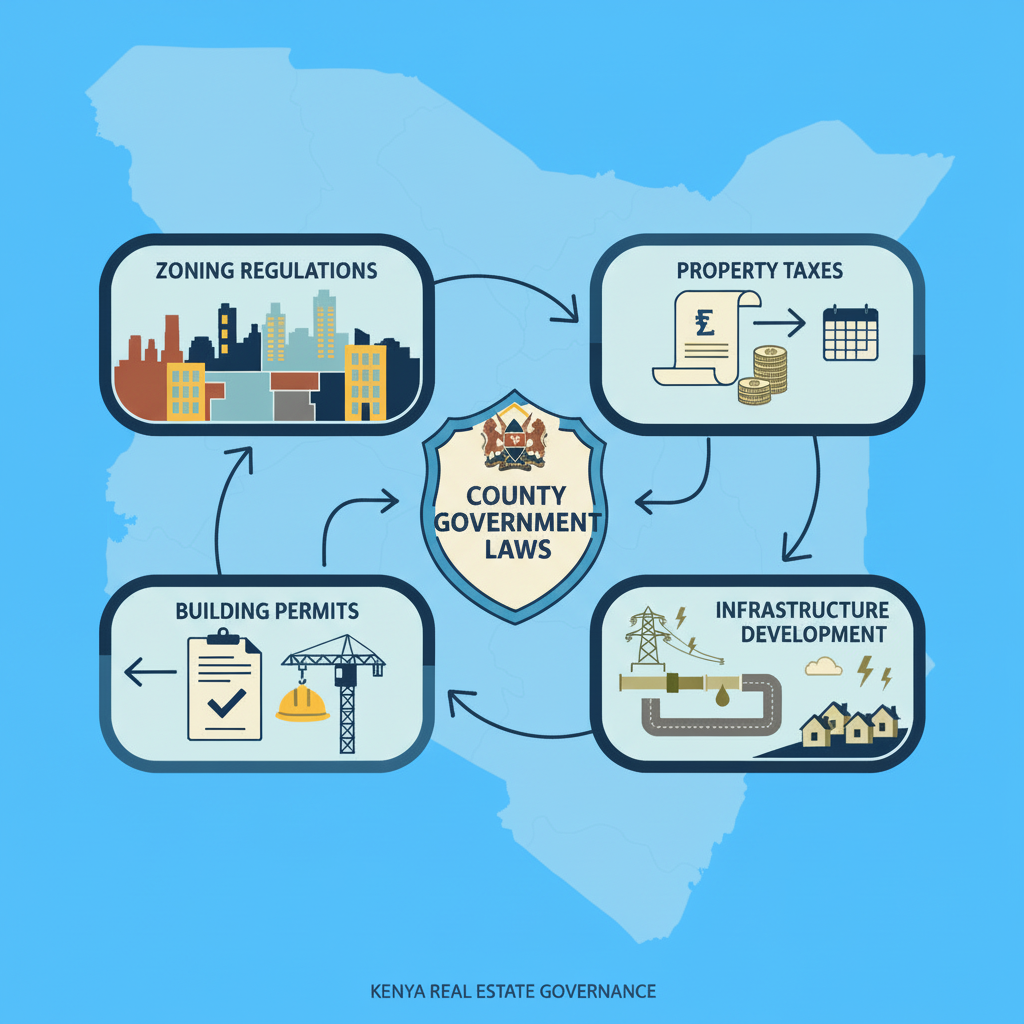
One of the first and most impactful actions a new municipality takes is establishing zoning laws and a comprehensive land-use plan. These regulations are essentially a blueprint for a community’s growth, dictating how different parcels of land can be used. They separate residential areas from commercial hubs, industrial zones, and recreational spaces. For a real estate investor or homebuyer, this is a critical factor to understand.
Zoning is not a one-size-fits-all concept. Municipalities use various classifications to guide development:
Zoning laws directly influence property values. A change in zoning, known as rezoning, can cause a property’s value to skyrocket or plummet overnight. For instance, if a large parcel of agricultural land on the edge of a growing town is rezoned for residential development, its value can increase exponentially. Investors who anticipate these changes can realize substantial returns.
This is where having a knowledgeable partner becomes invaluable. At Nyota Njema, we keep a close eye on municipal development plans and zoning proposals. Our expertise helps clients identify land for sale that holds significant future potential. Whether you’re looking for a plot to build your dream home or a larger tract for a development project, understanding the current and proposed zoning is non-negotiable. We can guide you through the listings to find properties that align perfectly with your long-term goals.
Challenges can also arise. A property owner might find their plans to add a rental unit or start a home business blocked by restrictive single-family zoning. Navigating the process of applying for a variance or a rezoning can be complex and time-consuming. However, the creation of clear zoning laws by a municipality also provides certainty. It protects homeowners from having a factory built next door and ensures that community growth is orderly rather than chaotic.
A municipality’s ability to fund and develop infrastructure is perhaps the most visible sign of its impact on real estate. Infrastructure is the backbone of a community, encompassing everything from essential utilities to public amenities. Its quality and accessibility have a direct and powerful effect on property desirability and value.
The announcement of a major infrastructure project is a signal for savvy investors. A new road, a planned commuter rail station, or a future business park can transform a sleepy area into a bustling hub. The key is to get in early.
By monitoring municipal budgets and long-term development plans, investors can identify areas poised for growth. Buying land in the path of progress allows you to benefit from the appreciation that follows infrastructure development. Our team at Nyota Njema specializes in this kind of forward-thinking analysis. We help our clients find and acquire land with strategic potential, turning municipal planning into personal financial gain. We don’t just sell you a plot; we offer you a piece of the future.

While infrastructure and public services are benefits, they come at a cost. Municipalities fund these projects and their ongoing operations primarily through property taxes. For any property owner, understanding how these taxes are calculated and what they pay for is essential for managing long-term costs.
A municipality first determines its annual budget—the amount of money it needs to fund everything from road maintenance and garbage collection to police services and schools. Then, it assesses the value of every property within its jurisdiction. A tax rate (often called a millage rate) is then set. This rate is applied to the assessed value of your property to determine your annual tax bill.
Assessed Value x Tax Rate = Annual Property Tax
The introduction of a municipality formalizes this process. In previously unincorporated areas, services might have been minimal, and taxes correspondingly low or non-existent. With municipal status comes a more structured—and often higher—tax burden.
Higher property taxes are not inherently negative. They are an investment in the community. These funds are what pay for the very amenities that make a location desirable and increase property values. Well-funded schools, pristine parks, and responsive emergency services all contribute to a higher quality of life and a stronger real estate market. A home in a well-managed municipality with excellent services will typically appreciate faster than one in an area with low taxes and poor services.
However, rising property taxes can also present a challenge, particularly for homeowners on fixed incomes and investors managing tight margins. A sudden spike in taxes can strain budgets and affect the profitability of rental properties. It is a critical line item to consider when purchasing a home or investment property.
When evaluating a property, it’s not enough to look at the current tax bill. You must also consider the municipality’s financial health and future plans. Are major infrastructure projects on the horizon that could lead to tax increases? Is the municipality managing its budget responsibly? Nyota Njema’s real estate services include providing clients with a comprehensive view of a property’s financial obligations. We help you look beyond the asking price to understand the total cost of ownership, including the long-term tax implications, ensuring you make a purchase that is sustainable for your budget.

Beyond the technical aspects of zoning and taxes, a municipality’s greatest influence may lie in its ability to cast a vision for the community. Through master plans, development incentives, and beautification projects, a municipality actively shapes its identity and character. This long-term planning has a profound and lasting effect on the real estate market.
A municipal master plan is a long-range document that outlines a community’s goals and aspirations for growth. It addresses everything from economic development and housing to environmental protection and cultural amenities. This plan acts as a guide for all future development, providing a predictable framework for investors and residents.
For example, a master plan might identify a specific district for revitalization, offering tax incentives to developers who build there. It might designate greenbelts to preserve natural beauty or outline plans for a new network of bike paths and pedestrian walkways. These initiatives make a community more attractive and can lead to steady, sustainable growth in property values.
A proactive municipality doesn’t just wait for growth to happen; it actively pursues it. By creating a business-friendly environment, a municipality can attract new employers, which in turn brings new residents who need housing. This increased demand fuels the real estate market, benefiting existing homeowners and creating opportunities for developers.
Community-building efforts also play a crucial role. Farmers’ markets, public concerts, street festivals, and beautification projects that add trees and public art all contribute to a sense of place and community pride. These “soft” factors are incredibly powerful. People want to live in places that feel vibrant and welcoming. A municipality that invests in its community culture is also investing in its real estate market.
Navigating the landscape of a growing municipality requires insight and foresight. Whether you are a first-time homebuyer or a seasoned investor, the choices you make are deeply intertwined with the plans of the local government.
This is where Nyota Njema becomes your trusted partner.
The introduction and operation of a municipality are transformative forces in the real estate market. They bring structure through zoning, create value through infrastructure, fund progress through taxes, and shape identity through community planning. For every property owner, buyer, and investor, these municipal actions create a dynamic environment of opportunities and challenges.
Success in this environment depends on knowledge and strategy. It requires looking beyond the four walls of a property to understand the larger forces shaping its value and potential. By paying close attention to zoning maps, infrastructure proposals, tax rates, and master plans, you can make informed decisions that align with your financial goals.
The establishment of a municipality often increases property values over time. This is due to improved infrastructure, organized zoning laws, and better public services like schools and parks. Nyota Njema can help you understand how upcoming municipal changes might impact your property’s specific value.
Zoning laws are rules that dictate how land in specific areas can be used, such as for residential, commercial, or industrial purposes. They are crucial because they determine what you can build on a property, which directly influences its potential and market value. Our team can help you find properties with zoning that matches your investment or home-building goals.
Property taxes may increase with the formation of a municipality to fund essential services like road maintenance, water systems, and public safety. While this means a higher cost, it is an investment in community improvements that enhance quality of life and boost property values. We can provide insights into the tax implications for any listing you are considering.
Infrastructure projects like new roads, sewer lines, and public transit make areas more accessible and desirable. This drives up demand for both residential and commercial real estate, creating excellent investment opportunities. We specialize in identifying land for sale in areas poised for growth due to planned infrastructure upgrades.
Changing a property’s zoning, or “rezoning,” is possible but involves a formal application process with the municipality that can be complex. Success often depends on whether your proposed use aligns with the community’s long-term master plan. At Nyota Njema, we can offer guidance on the feasibility of rezoning for specific properties.
A municipal master plan is a long-term document that guides a community’s future growth and development. It provides a roadmap for everything from new housing and business districts to parks and environmental protection. Understanding this plan is key to making smart, forward-thinking real estate investments.
Municipalities are responsible for developing and maintaining public amenities like schools and parks, which are key factors for many homebuyers. Our house listings can be filtered by proximity to these desirable features, making your search for the perfect family home easier. Let our experts guide you to neighborhoods that fit your lifestyle needs.
Yes, purchasing land in a new or growing municipality can be a very strategic investment. As the area develops and services are introduced, land values typically appreciate significantly. We can help you identify promising plots that are positioned to benefit from future municipal growth.
Our team possesses deep knowledge of municipal planning and its effects on the real estate market. We help buyers, sellers, and investors understand zoning, anticipate infrastructure projects, and assess tax impacts. This expertise allows you to make informed decisions and capitalize on opportunities created by municipal growth.
When viewing house listings, consider the quality of municipal services, the property’s zoning, and its proximity to key infrastructure and amenities. Also, look at the area’s long-term development plans to ensure its character aligns with your expectations. We highlight these crucial details to help you find a home that is also a sound long-term investment.
Mon to Fri: 8am to 5pm Saturday: 8am to 1pm
Email: [email protected] Phone: +254 728 895 895 Nairobi, Thome, Mukuyu Court