

available on the
Google Play
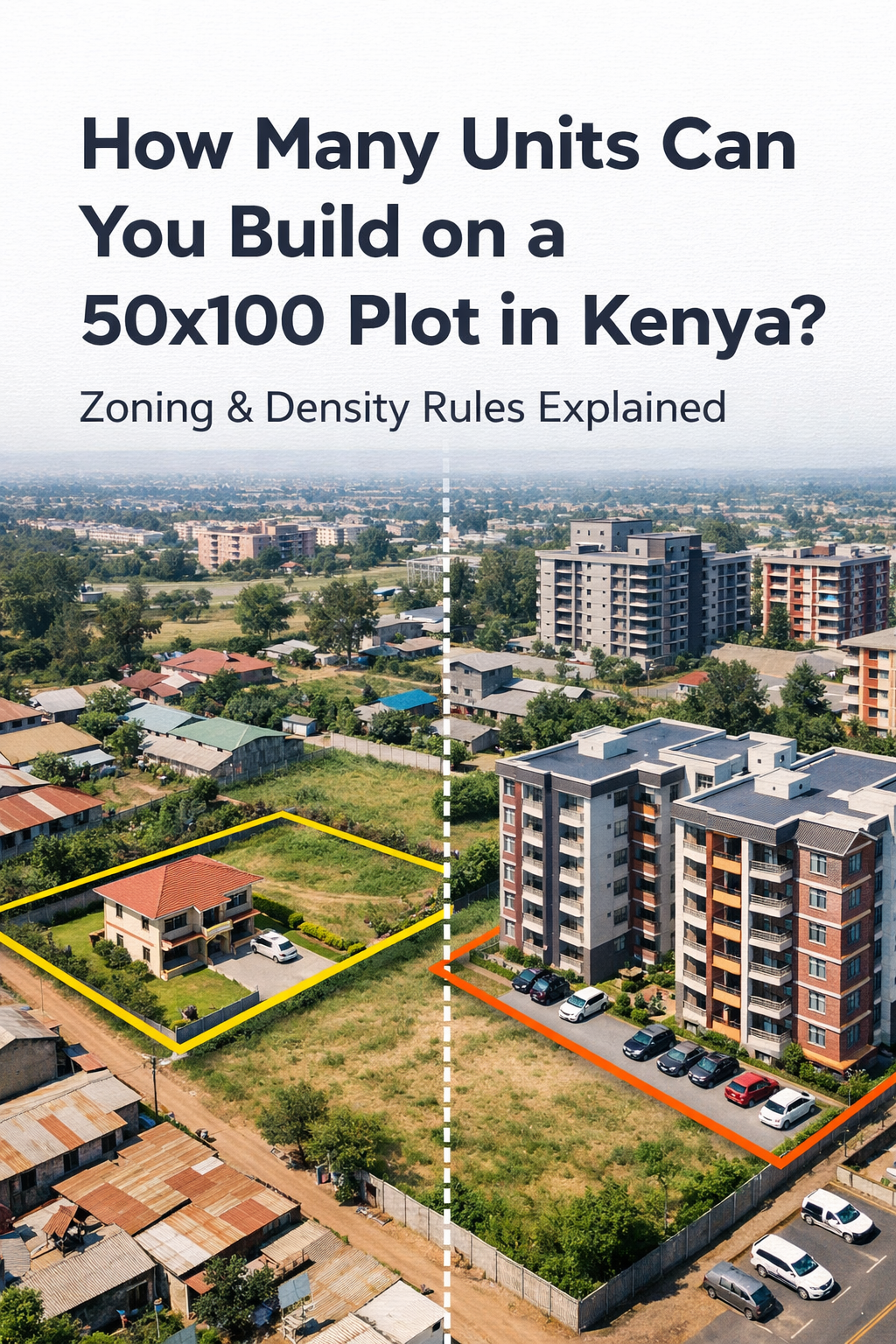
Learn how to safely navigate Kenyan property laws for diaspora investors. Nyota Njema guides you through the process for a secure investment back home.
Understanding Kenyan property laws for diaspora investors is the most important step before you buy land back home. Many Kenyans living abroad want to invest in real estate, but they are often afraid of being cheated or losing their money. At Nyota Njema, we know how hard you work for your money, and we want to help you keep it safe. Navigating the legal system might seem scary, but it is actually quite simple if you have the right information and a trusted partner. The laws are there to protect you, not to stop you from owning property. This guide will break down the rules into easy steps so you can invest with confidence.
When you are thousands of miles away, trust is everything, but trust must be backed by the law. You need to know what documents to look for, how to verify ownership, and the correct process for transferring land. By following the legal path, you ensure that the property you buy today will still be yours tomorrow and for generations to come. We have helped many diaspora clients secure their future through our Diaspora Elite program, which is designed specifically for your needs. In this blog, we will walk you through everything you need to know about the laws governing property in Kenya.

In Kenya, not all land is the same, and knowing the difference between title deeds is crucial. The most common type you will encounter is freehold land, which means you own the land indefinitely without paying rent to the government. This is very popular for agricultural land and residential plots in areas like Nanyuki and Malindi. Another type is leasehold land, where you own the property for a specific period, usually 99 years, and pay a small annual rent. This is common in towns and cities like Nairobi. Understanding which title you are getting helps you know your rights and responsibilities as a landowner.
At Nyota Njema, we ensure that all our projects have clear and legitimate title deeds before we sell them to you. Whether you are looking at a freehold plot in Embu or a leasehold property near an urban center, we provide all the necessary documentation upfront. It is important to verify the type of title because it affects how you can use the land. For example, some titles might have restrictions on what kind of building you can put up. Always ask to see a copy of the title deed and have a lawyer explain what it means for your investment.
The Ministry of Lands is the government body responsible for all land matters in Kenya. They keep records of who owns what piece of land and process all title deeds. When you buy land, the transfer must be registered with them to be legal. They have improved their systems recently, making it easier to do searches and verify ownership online. This digital shift is a big advantage for you as a diaspora investor because it adds a layer of transparency to the process.
However, dealing with government offices can sometimes be slow, which is why having a partner on the ground is helpful. We work closely with land registrars to ensure that your paperwork is processed correctly and as quickly as possible. We handle the visits to the land registry so you don’t have to worry about the logistics. It is vital to ensure that the official records at the Ministry match what the seller is telling you. This confirmation is the bedrock of a safe transaction and protects you from fraudsters who might try to sell you public land or land that belongs to someone else.

The Land Registration Act ensures that all land transactions in Kenya are properly recorded and protected by law. This Act provides clear rules on how property is registered, transferred, and owned. It is important for diaspora investors because it establishes a central registry where all property rights are documented, making it easier to verify ownership and avoid fraud. The Act covers both leasehold and freehold lands, ensuring you can check official records to confirm a seller’s claims. By following this law, you secure your rights as a landowner, no matter where you live.
The Land Act provides the legal framework for land use and management in Kenya. It defines how land can be allocated, transferred, or leased, and protects your interests as a buyer. Under this law, all land dealings must be documented through written agreements. This reduces the risk of disputes and protects buyers from scams. The Act also covers issues like land use planning, environmental conservation, and dispute resolution. Having a clear understanding of the Land Act helps you make informed decisions and comply with all legal requirements during the buying process.
The Stamp Duty Act requires buyers to pay a tax—called stamp duty—whenever land is transferred from one person to another. The rate is typically 4% in urban areas and 2% in rural areas, calculated on the property’s value. Paying stamp duty is mandatory before you can get a title deed in your name. If you skip this process, your transaction is not legally recognized. It’s crucial to factor these costs into your budget. At Nyota Njema, we guide clients through this process, ensuring all taxes are paid correctly for a smooth transfer of ownership.
If you invest in property for rental purposes in Kenya, the Income Tax Act makes it mandatory for you to declare and pay tax on rental income. This law helps the government track and collect income from property-related businesses. As a diaspora investor, you will need a KRA PIN and must file annual tax returns, even if you’re abroad. Paying rental income tax keeps your investment above board and avoids penalties or legal trouble. It’s best to consult a tax expert or Nyota Njema’s advisory team to stay compliant.
When you sell property in Kenya, you are required by law to pay Capital Gains Tax (CGT) on the profit from the sale. This tax is currently 15% of the net gain and must be paid to the Kenya Revenue Authority before the property can be transferred to the new owner. For diaspora investors, it is essential to factor in CGT when planning your investment exit or property sale. Paying Capital Gains Tax is a legal requirement and non-compliance could lead to delays or issues with future transactions.
The Land Control Act sets rules for owning and transferring agricultural land in Kenya. It requires that transactions involving agricultural land—such as selling, leasing, or mortgaging—must get consent from the local Land Control Board. This process ensures that only eligible buyers can purchase agricultural land and protects families from illegal or forced sales. For diaspora investors, it’s important to understand that not seeking the necessary approvals could make a land transfer invalid.
This law regulates how land is used and developed across Kenya. The Physical and Land Use Planning Act requires all developments to follow approved plans, ensuring orderly growth, safety, and environmental sustainability. Before you build, you must seek approvals from county authorities and ensure your plans align with local zoning rules. If you ignore these regulations, you risk fines or the demolition of your structures. Staying compliant guarantees your property retains its value and protects your long-term investment goals.
The Sectional Properties Act governs the ownership and management of apartments, flats, and other units within multi-dwelling complexes. This law allows buyers to own individual units along with a share in common spaces, such as gardens or hallways. The Act ensures proper registration, clear boundaries, and sets up management rules for shared areas. For diaspora investors interested in apartments or gated communities, this law is key to understanding your rights and obligations as a unit owner and how your property will be managed.

Before you pay a single shilling, you must do a land search at the local land registry. This document shows the true owner of the land and if there are any loans or disputes attached to it. It is your first line of defense against fraud.
Working with a well-known company like Nyota Njema reduces your risk significantly. We have a physical office, a track record of delivering titles, and a reputation to protect. We do the due diligence for you, ensuring the land is clean and ready for sale.
While companies have their lawyers, it is wise to have your own lawyer review the sale agreement. They represent your specific interests and ensure the terms are fair. They will explain the legal jargon in simple terms so you understand exactly what you are signing.
You need to be sure that the land on the paper is the same as the land on the ground. A surveyor can help you check the map from the Survey of Kenya. This confirms the boundaries and size of the plot you are buying are accurate.
The sale agreement is a legal contract that binds you and the seller. Read it carefully to understand the payment plan, default clauses, and transfer details. Our agreements are written in clear language, but you should always ask questions if something is confusing.
Never pay cash for land; always use bank transfers or mobile money that leaves a digital trail. Keep receipts and bank slips for every payment you make. These records are your proof of payment in case of any future disagreement or legal issue.
Property transfer involves government taxes like stamp duty. Avoiding these to save money is illegal and will prevent you from getting the title deed in your name. Ensure you pay all required fees to the Kenya Revenue Authority (KRA) through the official channels.
Be careful with deals that look too good to be true on social media. Scammers often use fake photos and low prices to lure diaspora investors. Always verify the existence of the company and the project through a trusted friend, relative, or official search.
An encumbrance is a claim on the land by another party, like a bank loan. A land search will reveal this. You cannot transfer land that has an unresolved encumbrance, so ensure the title is free and clear before proceeding with the purchase.
If you are buying land from a family, ensure they have followed the correct succession process if the original owner is deceased. All heirs must agree to the sale. We ensure all our land acquisitions follow strict legal procedures to avoid family disputes later.

The buying process starts when you identify a plot you like and express interest. You will receive an offer letter detailing the price and terms. Once you accept and pay a deposit, a sale agreement is drawn up. This is a very important legal document. It outlines the obligations of both the buyer and the seller. It states the price, the payment schedule, and what happens if either party fails to honor the deal.
At Nyota Njema, we make this process smooth for you. We send you the documents via email for your review and signature. You don’t have to travel to Kenya just to sign papers. We guide you on how to witness them correctly where you are. This stage is crucial because it legally locks the price and the plot for you. Once signed, the agreement protects you from the seller changing the price or selling the land to someone else while you are completing your payments.
After you have finished paying for the land, the final step is transferring the title deed to your name. This involves filling out transfer forms, providing passport photos, and copies of your ID and PIN certificate. We then take these documents, along with the original title deed from the seller, to the land registry. The land control board, which is a group of local elders and officials, must also consent to the transfer.
This process takes some time, usually a few months, because of government procedures. During this time, we pay the stamp duty on your behalf and lodge the documents for registration. Once the registrar signs the new title deed, you become the legal owner. We can then ship the title deed to you abroad via a secure courier, or you can authorize a trusted relative to pick it up. Owning the title deed is the ultimate proof that you have successfully navigated Kenyan property laws for diaspora investors.
One of the biggest worries for diaspora investors is sending money safely. Laws in Kenya require strict reporting of large transactions to prevent money laundering, which actually protects your funds. Using official banking channels is the safest way. We provide official company bank accounts for all transactions. You should never send money to an individual’s personal account when buying from a company.
For those who need financial assistance, our Kikwetu Sacco is a legally registered savings and credit cooperative. It operates under the Sacco Societies Regulatory Authority (SASRA) regulations. By saving with the Sacco, you can access loans to buy land. This provides a secure and regulated environment for your money. It also offers a paper trail that is legally recognized. Whether you are using our flexible installment plans or Sacco financing, the law protects your payments as long as they are documented correctly.
Buying land is often about building a legacy for your family. Kenya has laws that protect property rights for spouses and children. When you buy land, you can choose to register it jointly with your spouse. This ensures that both of you have equal rights to the property. Our La-Ndoa product is perfect for couples looking to invest together legally. It simplifies the joint ownership process.
We also have the Legacy Reward product which focuses on long-term wealth. It is important to have a will or a clear plan for your assets. This ensures that your property is passed down to your children smoothly according to your wishes. Kenyan law respects private property, and once you have your title deed, your ownership is guaranteed by the constitution. This legal security gives you peace of mind knowing that your hard-earned investment in places like Kitengela or Diani is safe for the future.

Here is a list of prime properties where you can invest safely with Nyota Njema.
| Location | Size |
|---|---|
| Nanyuki | Acre, 1/2 Acre, 1/4 Acre, 50×100 |
| Embu | Acre, 1/2 Acre, 1/4 Acre, 50×100 |
| Syokimau | 50×100, 1/4 Acre |
| Naivasha | Acre, 1/2 Acre, 1/4 Acre, 50×100 |
| Diani | Acre, 1/2 Acre, 1/4 Acre, 50×100 |
| Kikuyu Nachu | 50×100, 1/4 Acre |
| Malindi | Acre, 1/2 Acre, 1/4 Acre, 50×100 |
| Kikuyu Thigio | 50×100, 1/4 Acre |
| Kitengela | 50×100, 1/4 Acre |
| Ushirika Gardens (Tatu City) | 50×100, 1/4 Acre |
Yes, you can buy land easily while living abroad. The law allows Kenyan citizens in the diaspora to own freehold and leasehold land. We facilitate the entire process digitally for you.
No, you do not need to travel to Kenya to sign. We send the documents to you via email. You can print, sign, scan, and send them back to us.
You can verify a title deed by conducting a search at the Ministry of Lands. This search confirms the owner details and if the title is real. We provide a copy of the title for you to search.
A land search is an official record from the government. It shows the current owner of the land and its size. It also shows if there are any loans or disputes on the land.
Legal fees usually include the cost of drawing up the agreement and title transfer. At Nyota Njema, our prices are often inclusive of these legal costs. Always confirm if there are extra charges.
Yes, foreigners can buy land, but with some restrictions. They can only own leasehold land for up to 99 years. They cannot own agricultural freehold land.
If you lose your title deed, you must report it to the police immediately. Then you apply for a replacement at the land registry. The process involves publishing a notice in the newspaper.
Yes, the government is moving towards a digital system called Ardhisasa. It is currently active in Nairobi and expanding. It makes transactions faster and more transparent.
Yes, a registered group or chama can own land as a corporate body. Our chamas product guides groups on how to register and buy land legally.
Stamp duty is a tax paid to the government when transferring property. It is usually 4% of the land value in towns and 2% in rural areas. It is a mandatory legal requirement.
Diaspora Elite is tailored for your specific needs. It handles site visits, searches, and documentation remotely. It gives you a dedicated relationship manager to guide you.
It is better to use a lawyer who is licensed to practice in Kenya. They understand Kenyan property laws best. You can give them power of attorney to act for you.
A power of attorney is a legal document. It allows you to appoint someone you trust to sign documents on your behalf. This is useful if you cannot travel to Kenya.
The transfer process can take anywhere from 3 to 6 months. This depends on the efficiency of the land registry. We work hard to follow up and speed up the process.
Yes, your investment is very safe. We follow strict legal due diligence for all our projects. We have successfully issued thousands of title deeds to happy clients.
The Land Control Board gives consent for the sale of agricultural land. They ensure the transaction is fair and does not disadvantage the family selling. Their consent is mandatory for transfer.
Yes, you can co-own land with a sibling or friend. The title deed will have both your names. You can decide if you own it as joint tenants or tenants in common.
If you have a will, the process continues according to your wishes. If not, your next of kin will administer your estate. We assist your family in claiming the property legally.
Minors cannot legally hold a title deed in their name. You can buy it in trust for them. The title will be in your name as a trustee until they turn 18.
Simply contact us via our website or WhatsApp. Our team will send you the property catalog and guide you. We will hold your hand through every legal step.
Navigating Kenyan property laws for diaspora investors doesn’t have to be a headache. Contact Nyota Njema today, and let us handle the legal complexities while you focus on building your future. Your safe and secure investment journey starts with us!
Mon to Fri: 8am to 5pm Saturday: 8am to 1pm
Email: [email protected] Phone: +254 728 895 895 Nairobi, Thome, Mukuyu Court