



available on the
Google Play

“Ready title deed” land in Kenya is not always safe. Learn the hidden risks, common scams, and step-by-step verification process to protect your investment before you buy.
“Ready title deed” land in Kenya means the land already has an individual title issued and is ready for transfer. However, it is not always safe because the title may be fake, duplicated, under dispute, or issued through irregular processes. Buyers must still conduct full due diligence, including official land searches, ownership verification, and legal checks before purchase.
“Ready title deed” is one of the most convincing phrases in Kenya’s real estate market.
It suggests:
No waiting
No delays
No complications
For many buyers, it sounds like the safest option.
But here’s the reality: a ready title deed does not guarantee a safe, clean, or dispute-free investment.
Thousands of buyers across Kenya have purchased land with “ready titles” only to discover:
Ownership disputes
Fake or duplicated titles
Illegal subdivisions
Government restrictions
This guide explains the truth behind ready title deed land—so you don’t learn the hard way.
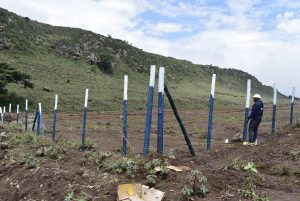
The appeal is simple: speed and certainty.
Buyers are told:
“No waiting for titles”
“Transfer immediately”
“Secure investment”
Compared to land still under processing, this feels safer. And sometimes, it is. But fraudsters understand this psychology—and use it to their advantage.
A “ready title” becomes a trust shortcut. Buyers assume verification is already done. That assumption is where risk begins.
This is the most dangerous misconception in land buying.
A title deed only proves that:
A document exists
It is registered in someone’s name
It does NOT guarantee:
The process used to acquire the land was legal
There are no hidden disputes
The land is free from third-party claims
The land is in a developable zone
In Kenya, it is possible for:
Multiple titles to exist for the same land
Titles to be issued fraudulently
Records to be manipulated
So the real question is not: “Is there a title?”
But: “Is the title clean, valid, and uncontested?”
(Related: Our guide on common land fraud tricks in Kenya exposes the document scams that fake a clean title.)
Even when a title deed looks genuine, hidden dangers lurk.
Some sellers present high-quality fake title deeds, altered parcel details, or documents that look authentic but are not registered. Without an official search, you may never know.
Fraud Indicator Focus
Cheap land in Kenya is likely risky if the seller avoids official land searches, rushes the sale, offers unusually low prices compared to nearby plots, lacks original title documents, or discourages physical site visits and legal verification.
A single parcel may have multiple title deeds issued to different people—often through corruption or registry errors. This leads to legal battles that can drag on for years.
The land may be in court, under a family succession conflict, or claimed by multiple parties. Even with a title in hand, the transfer can be blocked by a court injunction.
Some land titles were issued on government land, road reserves, riparian zones, or public utility corridors. These titles can be revoked at any time.
Even with an individual title, the subdivision may not follow legal procedures. Survey plans could be invalid, creating boundary conflicts later.
Not all titles are equal.
Ready Title: The document exists and can technically be transferred.
Safe Title: Ownership is verified, history is clean, there are no disputes, proper approvals are in place, and the land is legally compliant.
Most problems happen when buyers confuse the two. A ready title is merely the starting point—never the finishing line.
Fraud schemes often follow a predictable pattern:
Advertise land as “ready title deed”
Price it slightly below market value
Create urgency (“last plots,” “price increasing tomorrow”)
Show convincing-looking documents
Push for quick payment before thorough verification
Disappear or endlessly delay transfer
Because the title exists on paper, buyers lower their guard. This is exactly what scammers count on.

Be cautious if any of these appear:
The price is significantly below market value for that area
The seller discourages or delays an official land search
You’re rushed to pay a deposit or full amount immediately
Only photocopies of the title deed are provided—never the original
The seller’s identity is unclear or doesn’t match land records
Physical site visits are discouraged or impossible
These are not minor issues—they are major red flags.
Don’t let a smooth phrase like “ready title deed” replace real verification. At NyotaNjema, every plot we sell comes with a transparent title trail and an open invitation for your own lawyer and surveyor to inspect. Book a free, no-pressure consultation and secure land you can genuinely trust
Follow these steps without shortcuts, regardless of what the seller claims.
Use the Lands Registry or Ardhisasa platform to confirm:
The registered owner’s name
Title status (freehold or leasehold)
Any encumbrances (charges, caveats, court orders)
Ensure the seller’s national ID matches the title records exactly, and that they are legally authorized to sell (spousal consent, letters of administration if inherited).
A qualified property lawyer will review all documents, identify legal risks, draft the sale agreement, and manage the transfer. Never use the seller’s lawyer.
(Explore our detailed land buying process Kenya guide for the complete transaction roadmap.)
Confirm the location matches the survey map. Walk the boundaries, check beacons, and speak to neighbours about any disputes or claims.
A licensed surveyor should verify that the land is properly surveyed, beacons are in place, and all subdivision approvals from county authorities exist.
Confirm the land is not on a road reserve, riparian land, protected forest, or airport expansion zone. Check county physical plans.
Even with a ready title, the purchase price is just the beginning. Expect:
Legal fees (lawyer’s conveyancing charges)
Stamp duty (based on government valuation or purchase price)
Transfer fees and registration charges
Survey adjustments if beacons are missing
Infrastructure setup (road access, water, electricity)
A cheap deal often hides these costs, making it far more expensive in the long run.
Not all ready title land is risky. Legitimate reasons include:
A developer completed subdivision and issued individual titles (like NyotaNjema’s projects)
An owner needs quick liquidity due to urgent financial needs
The land sits in mature, well-documented estates
The difference is transparency and willingness to allow full verification. A genuine seller welcomes scrutiny; a fraudulent one avoids it.
Successful land buyers focus on:
Verification, not speed
Value, not just price
Legal clarity, not promises
Because in land investment, the risk is not what you see—it’s what you assume.
Investor Insight
Cheap land in Kenya can be a good investment only if it has verified ownership, proper legal documentation, and confirmed development potential. However, most extremely cheap land deals carry higher risk and require thorough due diligence before purchase.
When a ready title deal goes bad, consequences include:
Total loss of money paid
Years in court battling for ownership
Delayed development or inability to build
Emotional stress and family tension
Recovery is difficult, expensive, and sometimes impossible. Prevention is always cheaper.
Follow this rule: Never rely on the title deed alone—verify everything.
A safe purchase always includes:
Legal due diligence
Physical verification
Official records check
Professional guidance from lawyer and surveyor
At NyotaNjema, we deliver exactly this. Our projects—from Kikuyu Spring Valley to Kitengela Pine Oak Gardens—come with mother titles, approved subdivisions, physical beacons, and full support for your independent checks.
“Ready title deed” is a starting point—not a guarantee.
It simply means the paperwork exists. It does not mean the deal is safe.
The smartest investors in Kenya don’t rush because a title is ready. They slow down—and verify. Because in real estate, a rushed decision can cost years of recovery.
Your goal is not just land with a title. It’s land you can own with peace, build with confidence, and pass on without fear.

Ready title deed land can be safe, but only after proper verification. A title alone does not guarantee legal ownership or absence of disputes. Full due diligence is mandatory.
It means the land already has an individual title issued by the government and is ready for transfer to a new owner.
Yes. Some title deeds are forged or duplicated. That’s why an official land search is the only way to confirm authenticity.
Typically 2–6 weeks if all documents are in order, but delays can occur due to legal issues or registry backlogs.
No. A lawyer is essential to ensure proper due diligence, draft a binding sale agreement, and protect your investment throughout the process.
Conduct official land searches, verify ownership, visit the property physically, and involve an independent lawyer and surveyor before making any payment.
The most common land scam is double selling, where one parcel is sold to multiple buyers. Other scams include fake titles, illegal subdivisions, and selling government land.
Because they skip due diligence, trust brokers without verification, fail to conduct official searches, or buy land under legal dispute or fraud.
Not always. Even with a title, the land may be in a restricted zone (road reserve, riparian, protected area) where construction is illegal. Always check zoning.
Through an official search at the Lands Registry or Ardhisasa platform. This confirms the registered owner, parcel size, and any encumbrances.
Your Next Steps
Ready title or not, you deserve land that stands up to every check. Let’s help you find verified, appreciating plots in high-growth corridors—with full transparency from day one.
👉 Book your free consultation now:
Contact Nyota Njema Real Estate today.
 Call / WhatsApp: +254 728 895 895
 Email: [email protected]
 Click here to book an appointment
Written by Nyota Njema Real Estate
Nyota Njema is a registered real estate company in Kenya . We specialise in verified land sales across Kiambu County, with full due diligence on tenure type, land rent, and title deeds.
Locations:
Topics:
Tools:
Mon to Fri: 8am to 5pm Saturday: 8am to 1pm
Email: [email protected] Phone: +254 728 895 895 Nairobi, Thome, Mukuyu Court