



available on the
Google Play

Your essential 2026 guide to understanding the title deed in Kenya. Learn about types, costs, transfer processes, and how to verify your document.
A title deed is arguably the most critical document in any property transaction in Kenya, serving as the ultimate proof of ownership. Understanding the nuances of a title deed can save you from potential pitfalls and secure your investment for generations. At Nyota Njema, we have seen firsthand how proper knowledge about a title deed empowers buyers and sellers.
This guide is designed to demystify everything related to the title deed, from the various types to the processes of transfer and verification. Navigating the complexities of land ownership requires a trusted partner, and having a valid title deed is the cornerstone of that security.

Securing a title deed is a monumental step in your journey toward property ownership in Kenya. This legal document is the definitive evidence of your rights to a piece of land, and understanding its intricacies is non-negotiable. Whether you are a first-time buyer or a seasoned investor, navigating the landscape of property law requires a clear grasp of what a title deed represents. At Nyota Njema, we believe in empowering our clients with knowledge, which is why we’ve created this expert guide to walk you through every aspect of the title deed, ensuring your investment is both safe and sound.
As you embark on this journey, questions about the title deed will inevitably arise. What are the different types? How do you handle a transfer? What costs are involved? Each of these queries is vital. A mistake in handling a title deed can have long-lasting and costly consequences.
This guide aims to be your go-to resource, providing clear, actionable information. We will explore everything from the meaning of freehold title deed to the process of replacing a lost title deed in Kenya, making sure you are well-prepared.
Lost your Title Deed? Here’s how to get it back Legally and Safely.
Furthermore, we will look at modern solutions and how technology is changing the way we interact with land registries, including how to check title deed online in Kenya. We’ll also touch upon how our specialized products, like Diaspora Elite for our international clients or Legacy Reward for long-term investors, align with securing your property’s title deed. Think of this as your personal consultation on everything related to the title deed, helping you make informed decisions every step of the way.
Navigating the Kenyan property market requires understanding the different types of title deeds in Kenya. Each title deed carries specific rights and limitations that can significantly impact your ownership. Knowing these differences helps you align your investment goals with the right type of property document. For instance, some land title deeds offer perpetual ownership, while others are limited to a specific term, making it crucial to understand what your title deed entails before committing.
An absolute title deed, often referred to as a freehold title, is one of the most secure forms of a title deed you can hold. It grants the owner full rights to the land in perpetuity. On the other hand, sectional title deeds are common for apartments or units within a larger development. This type of title deed grants you ownership of the specific unit and a share in the common areas, which is a vital distinction for urban property buyers.
A leasehold title deed grants the holder ownership of the property for a fixed period, typically 33, 50, 66, or 99 years. At the end of the lease term, the ownership of the deed of title reverts to the head lessor, which is often the government. It’s possible to extend the lease on this title deed, but it’s an important factor to consider, especially when evaluating the long-term value of your investment.
A freehold title deed is a document that signifies absolute ownership of a property without any time limit. This is often considered the most desirable type of title deed because it gives the owner maximum control and security over their land. The meaning of freehold title deed is rooted in the idea of perpetual ownership, passed down through generations without the need for renewal. This security makes properties with a freehold title deed highly attractive for long-term family planning, like our La-Ndoa package for newlyweds or the Legacy Reward program.
The primary advantage of a freehold title deed is the permanent and absolute ownership it confers. You are not a tenant of the state; you are the outright owner. This security is invaluable, as it protects you from the uncertainties of lease renewals and potential rent increases associated with other forms of a title deed. Holding an original title deed that is freehold gives you the freedom to develop, sell, or lease the property as you see fit, within local planning regulations.
When comparing a freehold title deed to a leasehold title, the main difference is the duration of ownership. A leasehold title deed is for a specific term, after which the property reverts to the lessor. This distinction is critical for investors. While leasehold properties can be excellent investments, a freehold title deed offers unparalleled peace of mind and is often seen as a more stable asset for passing wealth to the next generation, a core principle for our U-genz clients looking to build a solid foundation.
Deciding between a leasehold title deed and a freehold title deed depends entirely on your investment goals, budget, and long-term plans. There is no single “better” option; the right choice is the one that aligns with your personal and financial objectives. Understanding the implications of each title deed is the first step toward making a wise investment decision.
If you are looking for a forever home or a generational asset, a freehold title deed is often the preferred choice. It offers the security of perpetual ownership. However, if you are an investor looking for rental income in a prime urban area, a leasehold title deed might be more practical and affordable. Many commercial and high-density residential properties in cities are leasehold, and they present excellent investment opportunities. Understanding this can help you better manage your deed of ownership.
Properties with a freehold title deed often command a higher price due to the security they offer. In contrast, leasehold properties can be more accessible from a budget perspective. It’s also important to note that the location often dictates the type of title deed available. For example, most properties in urban centers like Nairobi are on a leasehold title deed, while land in rural or ancestral areas is more likely to be freehold.
The significance of a title deed in Kenya cannot be overstated; it is the cornerstone of property ownership and legal security. This document, whether it’s an original title deed or a certified copy, serves as the ultimate proof that you are the rightful owner of a parcel of land. Without a valid title deed, your claim to a property is vulnerable to disputes, fraud, and legal challenges. It is the primary document that financial institutions, like our partners at Kikwetu Sacco, will require before offering financing against a property.
A title deed is your primary legal instrument to assert ownership rights. In any land dispute, the individual with a legitimate title deed registered in their name holds the strongest legal position. This document, which includes a title deed number example and property details, is recorded in the official government land registry, providing a public and legally recognized record of your ownership. This is why verifying the title deed is a critical step in any property purchase.
Beyond proof of ownership, a title deed unlocks economic opportunities. It can be used as collateral to secure loans for business, education, or further investment. This ability to leverage your property transforms it from a static asset into a dynamic tool for wealth creation. Our Chamas and investment groups frequently leverage their collective properties, all secured by a proper title deed, to fund larger projects and achieve financial independence.

Ugenz Product Title Deed Issuance
The title deed transfer process in Kenya is a formal procedure that legally changes the ownership of a property from one person to another. It is a critical step that must be handled meticulously to ensure the new owner’s rights are legally protected. The process involves several key stages and associated costs, and getting it right is crucial to finalizing your property acquisition. A smooth transfer of your new title deed is our priority at Nyota Njema.
The transfer begins after a sale agreement is signed. The process involves obtaining a land rates clearance certificate, getting consent to transfer from the relevant land control board, and conducting a land title deed search in Kenya to confirm the seller’s ownership. Once these are complete, the transfer documents are stamped with stamp duty and lodged at the lands office for registration of the new title deed.
The cost of title deed transfer in Kenya includes several fees. The most significant is the stamp duty, which is typically 4% of the property’s value in urban areas and 2% in rural areas. Other costs include legal fees for the conveyancing lawyer, registration fees, and the cost of obtaining clearance certificates. It is important to budget for the title deed transfer cost to avoid any delays in receiving your titledeed.
The question, “how much does it cost to get a title deed in Kenya?” is common among property buyers. The total cost of title deed in Kenya is not a single figure but a combination of various statutory fees, duties, and professional charges. Understanding these costs upfront helps you budget effectively for your property purchase and ensures you have a clear financial plan for obtaining your title deed.
The primary cost is stamp duty, calculated as a percentage of the property’s value. In addition, you will incur legal fees, which are guided by the Advocates Remuneration Order. Other expenses include fees for land searches, valuation, and registration. When asking “how much is title deed in kenya,” remember that these costs can vary based on the property’s location and value, so the final figure for your title deed will be unique.
To avoid surprises, it’s wise to request a detailed cost breakdown from your conveyancer. This should outline all expected expenses related to the title deed transfer. At Nyota Njema, we provide our clients with transparent cost estimates for properties in locations like Nanyuki and Malindi, ensuring you know the full financial picture. Proper budgeting is key to a smooth process of acquiring your land title deed.
Handling a title deed requires diligence and attention to detail, as mistakes can be costly and legally complex to rectify. Many property buyers, especially first-timers, are prone to common errors that can jeopardize their ownership. Being aware of these pitfalls is the first step in protecting your investment and ensuring the integrity of your title deed.
One of the biggest mistakes is failing to perform thorough due diligence before purchasing a property. This includes not conducting an official title deed search to verify the owner’s identity and confirm there are no existing claims or encumbrances on the property. Always verify the title deed at the land registry to ensure the document is legitimate.
Another common error is attempting to navigate the conveyancing process without professional legal help to save on costs. An experienced conveyancing advocate is essential for drafting a proper sale agreement, conducting due diligence, and ensuring the title deed transfer process in Kenya is handled correctly. Skipping this step can expose you to fraud and legal complications related to your title deed.
Losing an original title deed can be a stressful experience, but thankfully, there is a clear legal procedure for its replacement. The process of replacing a lost title deed in Kenya is designed to ensure that a new, legitimate title deed can be issued while preventing fraudulent claims. If you find yourself in this situation, it is important to act promptly to secure your property rights.
The first step after realizing you have a lost title deed is to report the loss at the nearest police station and obtain a police abstract. You will also need to swear an affidavit detailing the circumstances of the loss of the deed title. These documents are essential for initiating the replacement process for your title deed.
You will need to place a lost title deed advertisement in a newspaper with nationwide circulation, announcing the loss and your intention to apply for a replacement. After a 60-day waiting period, if no objections are raised, you can submit your application, along with the police abstract and affidavit, to the land registrar. The registrar will then process and issue a new title deed, which will be marked as a replacement.
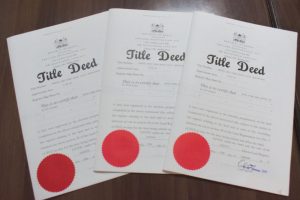
For Kenyans living abroad, investing in property back home is a significant financial and emotional goal. Our Diaspora Elite program is specifically designed to help these investors navigate the process. Obtaining a title deed in Kenya from overseas requires a trusted partner on the ground to manage the legal and logistical steps, ensuring a secure and transparent transaction for your deed of ownership.
As a diaspora investor, you can appoint a trusted representative, often a lawyer or a family member, through a Power of Attorney. This legal document empowers your representative to sign documents and act on your behalf in all matters related to the property transaction, including the transfer of the title deed. This is a crucial step for managing the process of getting a title deed in Kenya from abroad.
Thorough due diligence is even more critical when you are not physically present. We assist our Diaspora Elite clients by conducting comprehensive land title deed search in Kenya and verifying all property documents. We provide detailed reports, including a kenyan title deed sample and verification of the title deed number example, so you can invest with confidence, knowing your title deed is secure.
Your Guide to Kenyan Title Deeds: Understanding the Old and the New
The digitization of land records in Kenya has made it easier to conduct property searches. The question of how to check title deed online in Kenya is now common, as investors seek faster and more convenient ways to verify property details. The Ardhisasa platform allows you to perform these checks remotely, enhancing transparency in transactions involving a title deed.
To check a title deed online, you need to create an account on the Ardhisasa portal. Once registered, you can initiate a search using the property’s title number. The platform provides details about the property’s owner, size, and any registered encumbrances. This digital title deed search is a crucial part of modern due diligence.
While the online system is a significant step forward, it’s important to remember that it is still evolving. For complete peace of mind, especially in high-value transactions, we recommend complementing the online search with a physical verification at the relevant land registry. This ensures that the information on your title deed is cross-referenced and fully authenticated.
Verifying the authenticity of a title deed is the most critical step in preventing property fraud. Scammers often use sophisticated forgeries, making it essential to know how to verify title deed in Kenya through official channels. An authentic title deed is your only guarantee of legitimate ownership.
The most reliable method to confirm a title deed is genuine is by conducting an official search at the relevant land registry. You will need a copy of the title deed from the seller to get the title number. The search results will confirm the registered owner, the property details, and whether there are any cautions or charges registered against the title deed.
In addition to the registry search, it’s wise to physically inspect the property to ensure the details on the ground match the records on the title deed. Engaging a reputable surveyor can help confirm the boundaries. Furthermore, having a lawyer review the title deed and search results provides an extra layer of protection against potential fraud.
To successfully register or transfer a title deed in Kenya, you must meet several legal and administrative requirements. Fulfilling these Title Deed Kenya requirements is essential for a smooth and legally compliant transaction. These requirements ensure that every title deed registered is legitimate and the transfer is transparent.
For an individual buyer, the requirements for a title deed transfer include your original National ID card or passport, your KRA PIN certificate, and passport-sized photos. You will also need to sign the land transfer forms and sale agreement. These documents are necessary to process the new title deeds Kenya.
If a company is purchasing property, it will need to provide its certificate of incorporation, KRA PIN certificate, and the PIN certificates and IDs of the company directors. The company must also provide a resolution from its board of directors authorizing the purchase. Meeting these requirements ensures the company’s title deed is legally sound.
Step-by-Step Guide of Getting a Title Deed in Kenya for Diaspora Investors in 2026
The title deed transfer process in Kenya can sometimes be fraught with challenges, from bureaucratic delays to legal complexities. Being aware of these potential hurdles can help you prepare and navigate them effectively, ensuring a smoother journey to obtaining your title deed.
A common challenge is the delay caused by missing files or slow processing at the land registries. To overcome this, it is crucial to work with an experienced conveyancer who is familiar with the registry’s procedures and can follow up diligently. Keeping organized records of all submissions helps track the progress of your title deed application.
Discovering an unexpected caution, charge, or encumbrance on a title deed during the search process can halt a transaction. The best way to overcome this is to ensure the seller resolves and clears these issues before you finalize the purchase. A clear and well-drafted sale agreement should stipulate that the seller must deliver a clean title deed, free from any encumbrances.
At Nyota Njema, we offer a wide range of properties in prime locations across Kenya. Whether you’re looking for a plot in Nanyuki, Embu, Syokimau, Naivasha, Diani, Kikuyu Nachu, Malindi, Kikuyu Thigio, Kitengela, or Ushirika Gardens next to Tatu City, we have options to suit your needs. All our properties come with a genuine title deed.
|
Property Size |
Availability |
|---|---|
|
Acre |
Available |
|
1/2 Acre |
Available |
|
1/4 Acre |
Available |
|
50×100 |
Available |
In Kenya, there are primarily two main types of title deeds: freehold and leasehold. A freehold title deed grants the owner absolute ownership of the land and property in perpetuity. A leasehold title deed grants ownership for a specific, fixed period, such as 99 years, after which ownership may revert to the head lessor. Additionally, with the rise of apartments, the sectional title deed has become common, granting ownership of a unit within a larger building.
The process of getting a title deed in Kenya involves several steps, starting with a sale agreement between buyer and seller. This is followed by a land search, obtaining rates and rent clearance certificates, and gaining consent to transfer. Finally, the transfer documents are assessed for stamp duty, which is paid before the documents are lodged at the lands registry for the issuance of a new title deed in the buyer’s name.
The new title deeds Kenya refers to the converted titles being issued under the Land Registration Act of 2012. This act aimed to consolidate various land registration statutes into one, simplifying the system. The new titles are issued after a cadastral mapping process and are meant to be more secure, with features that make them harder to forge, thereby protecting the integrity of your title deed.
To know if a title deed is genuine, you must conduct an official search at the relevant land registry. The search will confirm the details of the registered owner and the property. You should also inspect the security features of the title deed itself, such as the watermark and seal, and have it reviewed by a qualified conveyancing lawyer.
Yes, a title deed is the primary and most definitive proof of land ownership in Kenya. It is a legal document issued by the government that formally establishes the rights of an individual or entity to a piece of property. In any legal dispute, a valid title deed is considered conclusive evidence of ownership.
The “best” type of deed of title largely depends on your investment goals. A freehold title deed is often considered superior because it grants perpetual ownership and maximum control. However, a leasehold title deed in a prime urban location can be an excellent investment for rental income or commercial purposes.
The three main categories of land ownership in Kenya are public, community, and private. Public land is held by the government in trust for the people. Community land is held by communities on the basis of ethnicity, culture, or similar interest. Private land is held by individuals or companies under a freehold or leasehold title deed.
A title deed itself is the document that proves a clear title, but to clear a title with defects or claims, various legal instruments may be used. A deed of indemnity might be used to protect a buyer against a known defect, or a court order may be required to remove a fraudulent entry. The ultimate goal is always to have a “clean” title deed with no encumbrances.
Yes, an absolute title deed is essentially the same as a freehold title. Both terms refer to the highest form of land ownership, granting the holder full and perpetual rights over the land. When you hold an absolute title, your title deed confirms that you are the indisputable owner.
Historically, the land registration system in Kenya used different types of registers and documents, which could be confusing. The ongoing land reform process aims to consolidate these into a single, unified system with a standardized title deed format. Therefore, while older variations exist, the goal is to move towards one primary type of title deed document for simplicity and security.
Whether you need assistance with a title deed, are looking for the perfect plot in one of our prime locations, or require financial advice, we are here to help.
Contact Nyota Njema today, and let us guide you. For flexible financing options, talk to our partners at Kikwetu Sacco to make your dream of land ownership a reality.
Mon to Fri: 8am to 5pm Saturday: 8am to 1pm
Email: [email protected] Phone: +254 728 895 895 Nairobi, Thome, Mukuyu Court Office 212
Contact Nyota Njema today to start your secure investment journey!