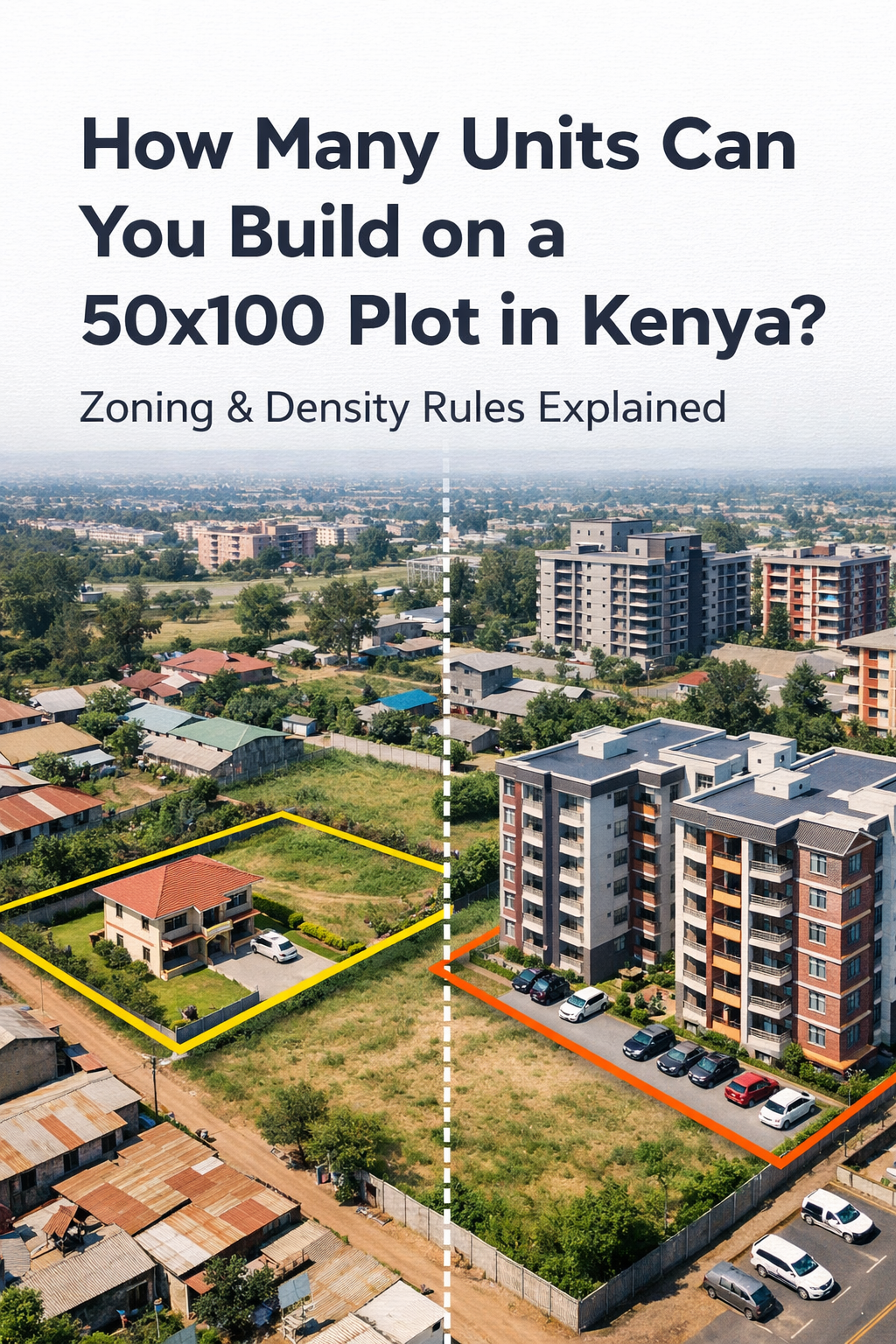
Discover the top 10 mistakes people make when building a house in Kenya and how to avoid them. Practical tips for Kenyans and diaspora investors.
10 Common Mistakes to Avoid When Building a Home in Kenya | Nyota Njema
Building a home in Kenya is a dream for many. It is a major life achievement. But the journey can be full of challenges. Many people, especially those living abroad, make costly mistakes. Knowing these common problems can save you time, money, and stress. This guide will show you the top 10 mistakes to avoid. We will give you simple steps to build your home smoothly.
Whether you are in Kenya or the diaspora, this information will help you make smart choices. You will learn how to handle budgets, find good contractors, and deal with legal papers. Let’s get started on building your dream home the right way.
Key Summary: Building Your Home in Kenya
- Plan Your Budget: Always have a detailed budget. Add 15-20% extra for unexpected costs.
- Verify Land Ownership: Confirm the title deed is real and there are no disputes.
- Hire Professionals: Work with registered architects, engineers, and contractors.
- Get All Permits: Secure all necessary county government approvals before starting.
- Supervise the Project: If you can’t be there, hire a trusted project manager.
- Use a Formal Contract: Sign a clear contract that lists all costs, timelines, and duties.
- Don’t Rush the Process: Good construction takes time. Rushing leads to poor quality.
- Understand Material Costs: Research prices of materials to avoid being overcharged.

1. Not Having a Clear Budget
This is the biggest mistake people make. They start building without knowing the total cost. This often leads to projects stopping halfway.
Why a Budget is Crucial
A budget is your financial roadmap. It tells you how much money you need for each stage of construction. Without one, you are building in the dark. Costs can quickly spiral out of control.
Common Budgeting Problems:
- Underestimating Costs: Many people think building is cheaper than it is. They forget costs like permits, professional fees, and landscaping.
- No Emergency Fund: Unexpected problems always happen. It could be a sudden price increase in cement or a design change. Without extra money set aside, your project can stall.
- Relying on Estimates: A simple quote from a friend is not a budget. You need a detailed breakdown of all expenses.
How to Create a Realistic Budget
A good budget covers everything from the foundation to the final coat of paint.
Steps for a Solid Budget:
- Get Professional Estimates: Hire a Quantity Surveyor (QS). A QS is an expert in construction costs. They will create a detailed list of all materials and labor needed, called a Bill of Quantities (BQ). This is the most accurate way to budget.
- Break Down the Costs: Your budget should be itemized. This means listing the cost for each part of the project.
- Pre-construction Costs: Land survey, soil testing, architectural drawings, permits.
- Construction Costs: Materials (cement, sand, steel), labor, and contractor fees.
- Post-construction Costs: Landscaping, utility connections (water, electricity), finishing touches.
- Include a Contingency Fund: Always add 15-20% to your total budget. This is your safety net for surprises. If your BQ says the cost is KES 5 million, you should have at least KES 750,000 extra.
Example Cost Breakdown for a 3-Bedroom House (Estimate)
Item | Estimated Cost (KES) | Notes |
|---|
Architectural Plans | 150,000 – 300,000 | Varies by architect’s experience. |
County Approvals | 50,000 – 150,000 | Depends on the county and project size. |
Foundation | 400,000 – 600,000 | Depends on soil type and house size. |
Walling & Structure | 1,000,000 – 1,500,000 | Includes stones, cement, sand, labor. |
Roofing | 400,000 – 700,000 | Depends on roofing material type. |
Finishes & Fittings | 800,000 – 1,200,000 | Tiles, paint, windows, doors, kitchen cabinets. |
Subtotal | 2,800,000 – 4,400,000 | Base Cost |
Contingency (15%) | 420,000 – 660,000 | For Unexpected Costs |
Total Estimated Cost | 3,220,000 – 5,060,000 | This is a more realistic range. |
Key Takeaway: Never start building without a detailed budget and an emergency fund. It is the foundation of a successful project.
2. Ignoring Land Due Diligence
You found the perfect plot of land. The price is right. But is it legally yours to build on? Many Kenyans have lost their life savings by buying land with problems.
What is Due Diligence?
Due diligence is the process of checking all the facts before you buy. For land, it means confirming the seller is the true owner and the land is free from any legal issues.
Common Land Problems in Kenya:
- Fake Title Deeds: Scammers create fake documents that look real.
- Multiple Owners: The same piece of land is sold to several people.
- Land Disputes: The land might be part of a family inheritance dispute or have squatters.
- Wrong Zoning: The land might be designated for agriculture, not for building residential homes.
How to Do Proper Due Diligence
This process protects your investment. Do not take shortcuts.
- Conduct a Land Search: Go to the local Land Registry office. You will need a copy of the seller’s title deed. This search confirms the true owner’s name and reveals if the land has any legal claims against it (like a bank loan).
- Check the Survey Map: Visit the local Survey of Kenya office. Get a copy of the property map (also called an RIM or Cadastral Map). This map shows the exact location, boundaries, and dimensions of the plot.
- Visit the Property: Go to the land with a surveyor. Have them verify the beacons and confirm the plot on the ground matches the map. Talk to the neighbors. Ask them about the history of the land and who the real owner is.
- Verify with the County Government: Check that the land is zoned for residential building and there are no unpaid land rates.
For Diaspora Buyers: It is very hard to do this from abroad. You need a trusted person in Kenya. This could be a reputable lawyer or a real estate company like Nyota Njema. We can help you with the due diligence process to ensure your investment is safe.
Key Takeaway: Always verify land ownership and legal status before paying any money. Trust but verify.
3. Hiring Unqualified or Rogue Contractors
The contractor you hire can make or break your project. A good contractor delivers quality work on time and within budget. A bad one can turn your dream into a nightmare. These are often called “rogue contractors.”
Signs of a Rogue Contractor
- No Formal Registration: They are not registered with the National Construction Authority (NCA). All professional contractors in Kenya must be registered.
- Asks for a Large Upfront Payment: A common scam is to ask for 40-50% of the project cost upfront and then disappear.
- Gives a Very Low Quote: If a price seems too good to be true, it probably is. They may use cheap, substandard materials or cut corners.
- No Written Contract: They prefer to work with a verbal agreement. This leaves you with no legal protection if things go wrong.
- Cannot Show Past Projects: A reputable contractor is proud of their work and will happily show you completed houses and give you references.
How to Find a Good Contractor
- Ask for Recommendations: Talk to friends, family, or colleagues who have recently built a home.
- Check for NCA Registration: Visit the NCA website and search for the contractor’s name. This confirms they are a legitimate business.
- Interview Multiple Contractors: Don’t just hire the first one you talk to. Get quotes from at least three different contractors.
- Visit Their Past Projects: Go and see the quality of their work for yourself. Talk to the homeowners if possible.
- Sign a Detailed Contract: Your contract should include the Bill of Quantities (BQ), a clear payment schedule, the project timeline, and what happens if there are delays.
Payment Schedule Example
A fair payment schedule is tied to milestones. The contractor gets paid after completing a specific stage of work.
- 10% on Signing the Contract: To mobilize and bring equipment to the site.
- 25% on Completion of Foundation.
- 25% on Completion of Walling and Roofing.
- 25% on Completion of Plastering and Finishes.
- 15% on Handover and after a “defects liability period” (usually 6 months to fix any small issues).
Key Takeaway: Your contractor is your most important partner. Vet them carefully and always use a written contract.
4. Failing to Get Necessary Government Approvals
You cannot just start digging and building. In Kenya, you need several approvals from your county government and other authorities. Building without them is illegal. Your house could be marked for demolition.
Key Approvals You Need:
- Architectural and Structural Drawings Approval: Your architect’s plans must be submitted to the county government for approval. This ensures the building is designed safely.
- NEMA Approval: For larger projects, a National Environment Management Authority (NEMA) assessment is needed. This checks if your project will harm the environment.
- NCA Project Registration: Before construction begins, the project must be registered with the National Construction Authority (NCA).
Why Approvals are Important
- Legality: They ensure your building complies with the law.
- Safety: The approval process checks that your house is designed to be structurally sound.
- Future Value: You cannot legally sell a house that was built without approvals. It also makes it impossible to get a bank loan using the property as security.
How the Approval Process Works
- Your architect usually handles the submission of drawings to the county.
- The county planning department reviews the plans. This can take several weeks or months.
- Once approved, you will get a building permit. You must display this permit at the construction site.
Cost of Approvals: The cost varies by county. It is usually a percentage of the total project value. Factor this into your budget.
Key Takeaway: Get all your permits before you start building. It protects you, your investment, and ensures your family’s safety.
5. Poor Project Supervision
Many people, especially those in the diaspora, trust a relative or friend to manage their project. While their intentions may be good, they often lack the technical knowledge to supervise a construction site. This can lead to big problems.
Dangers of Poor Supervision
- Theft of Materials: Cement, steel bars, and other valuable materials can be stolen from the site.
- Use of Substandard Materials: A contractor might buy cheaper, weaker materials to make more profit. A non-expert will not be able to tell the difference.
- Poor Workmanship: Workers may not mix concrete correctly or build weak walls. These mistakes are often hidden by plaster and paint.
- Project Delays: Without someone pushing the work forward, projects can drag on for years.
How to Ensure Good Supervision
- Hire a Project Manager: The best solution is to hire a professional construction project manager or an architect. Their job is to be your eyes and ears on the ground. They will supervise the contractor, check the quality of materials, and send you regular progress reports with photos and videos.
- Make Regular Site Visits: If you are in Kenya, visit the site unannounced at least once or twice a week.
- Use Technology: For those abroad, ask your project manager to use video calls (like WhatsApp or Zoom) to give you live tours of the site.
- Control the Finances: Do not give large sums of cash to anyone. Pay for materials directly to the hardware store whenever possible. Pay the contractor’s fees through the bank based on the agreed milestones.
Key Takeaway: Don’t leave your multi-million shilling investment unsupervised. Hire a professional project manager to protect your interests.

6. Using Low-Quality Building Materials
The desire to save money can lead people to buy cheap materials. This is a false economy. Using low-quality materials will cost you much more in the long run through repairs and structural problems.
Where People Cut Corners
- Cement: Using less cement in the concrete mix to save money. This results in weak foundations and columns.
- Steel Bars: Using thinner or lower-grade steel bars (rebar) than what the structural engineer specified.
- Roofing: Choosing cheap, thin roofing sheets that will rust and leak within a few years.
- Building Stones: Using stones that are soft or cracked.
How to Ensure Quality Materials
- Follow the BQ: Your Bill of Quantities (BQ) from the Quantity Surveyor will specify the exact quality and standard of materials to be used. Make sure your contractor sticks to it.
- Buy from Reputable Suppliers: Go to well-known hardware stores. Avoid nameless roadside sellers.
- Test Your Materials: For major projects, it is wise to have materials like concrete and steel tested in a lab to ensure they meet the required standards. Your engineer can help with this.
Key Takeaway: The strength and lifespan of your house depend on the quality of the materials used. Do not compromise on quality to save a little money today.
7. Not Having a Proper Contract
A verbal agreement or a simple handshake is not enough when you are spending millions of shillings. A formal, written contract is your most important legal tool.
What a Good Contract Should Include
- Full Names and Details: The names and contact information of you (the client) and the contractor.
- Scope of Work: A detailed description of all the work to be done. The best way to do this is to attach the approved architectural drawings and the Bill of Quantities (BQ) to the contract.
- Total Cost: The final agreed price for the project.
- Payment Schedule: A clear breakdown of when payments will be made (tied to construction milestones).
- Project Timeline: A start date and an estimated completion date. It should also state what happens if there are delays (penalties).
- Dispute Resolution: A clause that explains how disagreements will be handled (e.g., through arbitration).
Why You Need a Lawyer
It is highly recommended to have a lawyer draft or review the construction contract before you sign it. A lawyer will ensure the contract is fair and protects your interests. The small fee you pay a lawyer is a tiny price to pay for peace of mind.
Key Takeaway: Always insist on a detailed, written contract. It protects both you and the contractor and prevents misunderstandings.
8. Rushing the Construction Process
Everyone wants their house to be finished quickly. But good construction takes time. Rushing the process often leads to serious quality issues.
Common Problems from Rushing
- Weak Concrete: Concrete needs time to cure and gain its full strength. Pouring the next floor before the one below has cured properly can lead to structural failure.
- Cracks in Plaster: Plaster needs to dry slowly. If it dries too fast, it will crack.
- Poor Paint Finish: Painting on a damp wall will cause the paint to peel off.
A Realistic Timeline
Building a standard 3-bedroom house in Kenya typically takes between 6 to 12 months, assuming you have all the funds ready.
- Foundation: 3-4 weeks
- Structure to Roof: 2-3 months
- Finishes (Plaster, Tiles, Paint): 2-4 months
Your contractor should provide you with a detailed work plan showing the timeline for each stage. Be patient. Allow each stage of the work to be completed properly before moving to the next one.
Key Takeaway: Patience is a virtue in construction. Do not rush your builder. A well-built house will serve your family for generations.
9. Forgetting About Utility Connections
You have a beautiful, finished house. But you can’t move in because there is no water or electricity. Connecting to utilities can be a slow and expensive process. You should plan for it from the very beginning.
What You Need to Plan For
- Electricity: Contact Kenya Power early. The process involves an application, a site survey, and getting a quote. It can take several months, especially if a new transformer is needed.
- Water: Contact your local water company. The cost and time depend on how far your plot is from the main water line.
- Wastewater: If you are not near a sewer line, you will need to build a septic tank and soak pit. This should be part of your initial design and budget.
Budget for Connections: The cost of connecting utilities can be significant, sometimes running into hundreds of thousands of shillings. Include these costs in your main budget.
Key Takeaway: Apply for water and electricity connections as soon as your project is approved. Do not wait until the house is finished.
10. Ignoring Professional Advice
Many first-time homebuilders think they can manage the project themselves to save money on professional fees. This is a classic mistake. Professionals save you money by preventing costly errors.
The Team You Need
- Architect: Designs your house to be functional, beautiful, and safe. They also help with the county approval process.
- Structural Engineer: Creates the structural drawings for your house, ensuring the foundation, columns, and beams are strong enough to support the building.
- Quantity Surveyor (QS): The cost expert. They prepare the Bill of Quantities (BQ), which helps you budget accurately and ensures contractors charge you fairly.
- Lawyer: Drafts and reviews contracts to protect you legally.
Hiring this team may seem like an extra cost at the beginning, but their expertise is invaluable. They will ensure your home is built to a high standard, complies with all regulations, and stays within budget.
Key Takeaway: Building a home is a team effort. Invest in a good professional team to guide you through the process. Their fees are a small price to pay for a successful project.

Your Partner in Building Your Dream
Building a home is one of the most rewarding experiences you can have. By avoiding these common mistakes, you can make the journey smoother and more successful. Proper planning, due diligence, and hiring the right team are the keys to turning your dream into a reality.
At Nyota Njema, we understand the challenges of buying land and building a home in Kenya, especially for those in the diaspora. We offer verified, value-added plots that are ready for immediate development. We can also connect you with a network of trusted professionals, from lawyers and surveyors to architects and contractors.
Contact us today to find the perfect plot for your dream home and let us help you take the first step with confidence.
Quick Links
Opening Hours
Mon to Fri: 8am to 5pm Saturday: 8am to 1pm
Contact US
Email: letsengage@nyotanjem