



available on the
Google Play

Your land doesn’t have to stay idle while you plan to build. Discover 7 practical ways to earn from vacant land from farming to leasing and how diaspora investors can manage it remotely.
You bought land. Congratulations.
But now it sits there. Growing grass. Maybe some weeds. You pay rates, maybe a security guard, but no money is coming in.
Many investors think land only makes money when you sell or build. That’s not true.
Your vacant land can generate income right now. Even while you wait to build your dream home or rental apartments.
At Nyota Njema Real Estate, we help clients buy land. We also share practical advice on how to make that land work for you. This guide shows you legal, low‑cost ways to turn idle land into a steady income stream.
Whether you’re in Nairobi or abroad, these ideas can help you start earning today.
Vacant land can generate income through farming, leasing, parking, billboards, and more.
The best option depends on location, size, and soil type.
Short‑term leases let you earn while keeping flexibility to build later.
Diaspora landowners can manage activities remotely with a trusted local agent.
Always check zoning and county regulations before starting any commercial use.
Nyota Njema can recommend trusted local partners to help you get started.
You bought land as an investment. But while it sits empty:
You pay holding costs: land rates, security, fencing maintenance.
No cash flow: the land isn’t helping your monthly expenses.
Opportunity cost: that money could be earning returns elsewhere.
Generating income from your land solves these problems. Even a small monthly income can cover rates and security, or fund your next investment.
Best for: Plots with good soil, access to water, and located in agricultural or peri‑urban areas.
You don’t need to farm yourself. Find a local farmer or agricultural cooperative to lease your land. They plant seasonal crops (maize, beans, vegetables) and pay you a fixed annual or per‑harvest lease.
How it works:
You agree on a lease term (often 6 months to 1 year).
The farmer bears all input costs and labour.
You receive either a fixed cash rent or a share of harvest proceeds.
Pros: Low effort, keeps land maintained, generates steady income.
Cons: Requires good soil and water; may need a simple access agreement.
Diaspora tip: Get a reliable farmer or agricultural extension officer in the area.
Best for: Larger plots in rural or semi‑arid areas, or plots with natural grass.
If your land has good pasture, you can lease it to livestock owners (cows, goats, sheep). Grazing leases are common in counties like Kajiado, Kiambu, and parts of Nakuru.
How it works:
You set a monthly or seasonal fee per animal or per acre.
The herder manages the animals and ensures no overgrazing.
Simple written agreement protects you if animals damage boundaries.
Pros: Minimal infrastructure needed, passive income.
Cons: Not suitable for small urban plots; need to manage animal numbers.
Best for: Plots near busy areas: markets, bus stages, places of worship, schools, or industrial zones.
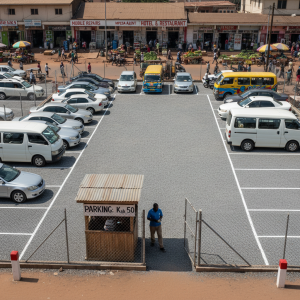
Even a small plot can become a paid parking lot. If your land is accessible and secure, people will pay to park.
What you can offer:
Daily parking for shoppers, workers, or matatus.
Monthly parking for residents or businesses nearby.
Storage for vehicles (trucks, construction equipment) or materials (timber, pipes, containers).
How to start:
Level the ground if needed.
Mark bays or simple spaces.
Put up a sign with your contact and rates.
Hire a trusted person to collect fees.
Pros: High cash flow, especially in busy areas.
Cons: Requires access control; may need basic security.
Diaspora tip: Use the Nyota App to track collections or have a caretaker send daily reports.
Best for: Scenic plots, open fields, or land with unique features (views, rock formations, natural bush).
Event organizers, film crews, and photographers are always looking for locations. Your land can be rented by the day.
What works:
Weddings (tent setups)
Corporate team building
Film and commercial shoots
Music video productions
Weekend picnics or camping
How to price: Daily rates vary widely—from Ksh 2,000 for simple open space to Ksh 20,000+ for a premium view.
Pros: Low capital investment; can be very profitable.
Cons: Only feasible if land is accessible and scenic; may need liability insurance.
Tip: Take good photos and list your land on local event platforms or social media.
Best for: Plots along busy roads, highways, or major intersections.
Companies pay good money to place billboards on visible land. You lease a small portion of your plot for a signage structure.
How it works:
A billboard company or advertiser approaches you (or you approach them).
You sign a long‑term lease (often 3–5 years).
They install and maintain the billboard; you collect monthly or annual rent.
Rental income: Ksh 20,000 – 100,000+ per month depending on location and visibility.
Pros: Passive, long‑term income; minimal land use.
Cons: Requires high visibility; may need county approval.
Diaspora tip: Have a local agent monitor that the billboard is maintained and the lease terms are honoured.
Best for: Plots where construction is not imminent and zoning allows temporary commercial use.
You can put up semi‑permanent structures—like container shops, kiosks, or sheds—and rent them to small businesses.
What works:
Small retail shops
Food kiosks
Workshop spaces
Car wash bays
How to start:
Check county regulations (some areas restrict permanent structures).
Install basic structures (shipping containers are a popular low‑cost option).
Rent each unit to a tenant.
Collect monthly rent.
Pros: Steady monthly cash flow; can be scaled up.
Cons: Requires capital for structures; ongoing management of tenants.
Diaspora tip: Use a caretaker to manage rent collection and maintenance; Nyota App helps track payments.
Best for: Larger plots (½ acre+) in areas with good climate and water.
Instead of just leasing, you can enter a profit‑sharing partnership with an experienced agribusiness operator. They set up a commercial farm (e.g., tomatoes, onions, tree seedlings, poultry) on your land.
How it works:
You contribute the land.
The operator contributes labour, inputs, and management.
Profits are shared according to a written agreement (e.g., 50‑50 after costs).
Pros: Higher potential returns than simple lease; builds value in the land.
Cons: Requires trust and a solid agreement; more complex.

Before turning your land into an income‑generating asset, cover these bases:
Confirm zoning: Is commercial use allowed? Check with the county.
Secure the land: Fencing, a gate, or a caretaker prevents squatting.
Write an agreement: For any lease or partnership, use a written contract.
Obtain permits: Some activities (like billboards) require county approval.
Insure against liability: Especially for events or parking.
Keep records: For tax purposes and to track income.
Land rates: You must continue paying county land rates regardless of use.
Income tax: Rental income from land is taxable. Consult a tax professional.
Lease agreements: Ensure your contract covers duration, termination, and any damages.
County approval: Some activities (e.g., parking, structures) may require a trade license.
If you live abroad, you can still make your land work.
How to manage remotely:
Hire a trusted local caretaker – someone who lives nearby.
Use a joint bank account for rent collections (if shared with your caretaker).
Leverage the Nyota App – we provide regular updates, photos, and income reports.
Set up automatic reminders for key dates (e.g., rates payment, lease renewals).
Work with Nyota Njema – we can help you identify the best use, vet tenants, and monitor the property.
Virtual site visits: We can walk the land with you on video to show how it’s being used.
| Risk | How to Mitigate |
|---|---|
| Squatters | Fence the land, install a gate, and visit regularly. |
| Damage to land | Write clear lease agreements with security deposit. |
| Disputes with tenants | Use written contracts; keep communication records. |
| Unpaid rent | Collect deposits; have clear eviction terms. |
| Unapproved use | Check county zoning before starting any activity. |

Q: Can I farm on my residential plot?
A: It depends on the zoning. In many areas, small‑scale farming (vegetables, herbs) is allowed. Commercial agriculture may require a change of user.
Q: Do I need to pay tax on rental income from land?
A: Yes. Rental income is taxable. Keep records and consult a tax advisor.
Q: What if I want to build after leasing?
A: Use short‑term leases (e.g., 6‑12 months) with a clause allowing you to terminate with notice if you decide to build.
Q: Can I put up a billboard without county approval?
A: No. Billboards require a permit from the county government. Failing to get one can lead to removal and fines.
Q: How do I find a reliable farmer to lease my land?
A: Ask local agricultural extension officers, community leaders, or work with a trusted agent. Nyota Njema can help connect you.
Q: Is it safe to let livestock graze on my land?
A: Yes, with a proper grazing agreement specifying the number of animals, duration, and liability for any damage.
Q: Can diaspora landowners use the Nyota App?
A: Absolutely. The Nyota App gives you real‑time updates, photos, and income reports from your land.

We help you buy the right land and we share expert advice on how to make it work for you.
We offer:
Site evaluation – we assess your land’s potential for farming, leasing, or other uses.
Caretaker coordination – we can help you find trusted local help.
Lease agreements – we can guide you on drafting simple, enforceable contracts.
Diaspora management – using the Nyota App, we keep you informed and your land protected.
We are happy to point you toward reliable local professionals who can manage your venture.
Don’t let your land sit idle. Contact Nyota Njema today to explore the best income‑generating option for your plot.
Contact Us:
Browse our verified listings
Schedule a consultation
Download the Nyota App
[Visit Nyotanjema.com Now]
Mon to Fri: 8am to 5pm Saturday: 8am to 1pm
Email: [email protected] Phone: +254 728 895 895 Nairobi, Thome, Mukuyu Court
Locations:
Topics:
Tools: